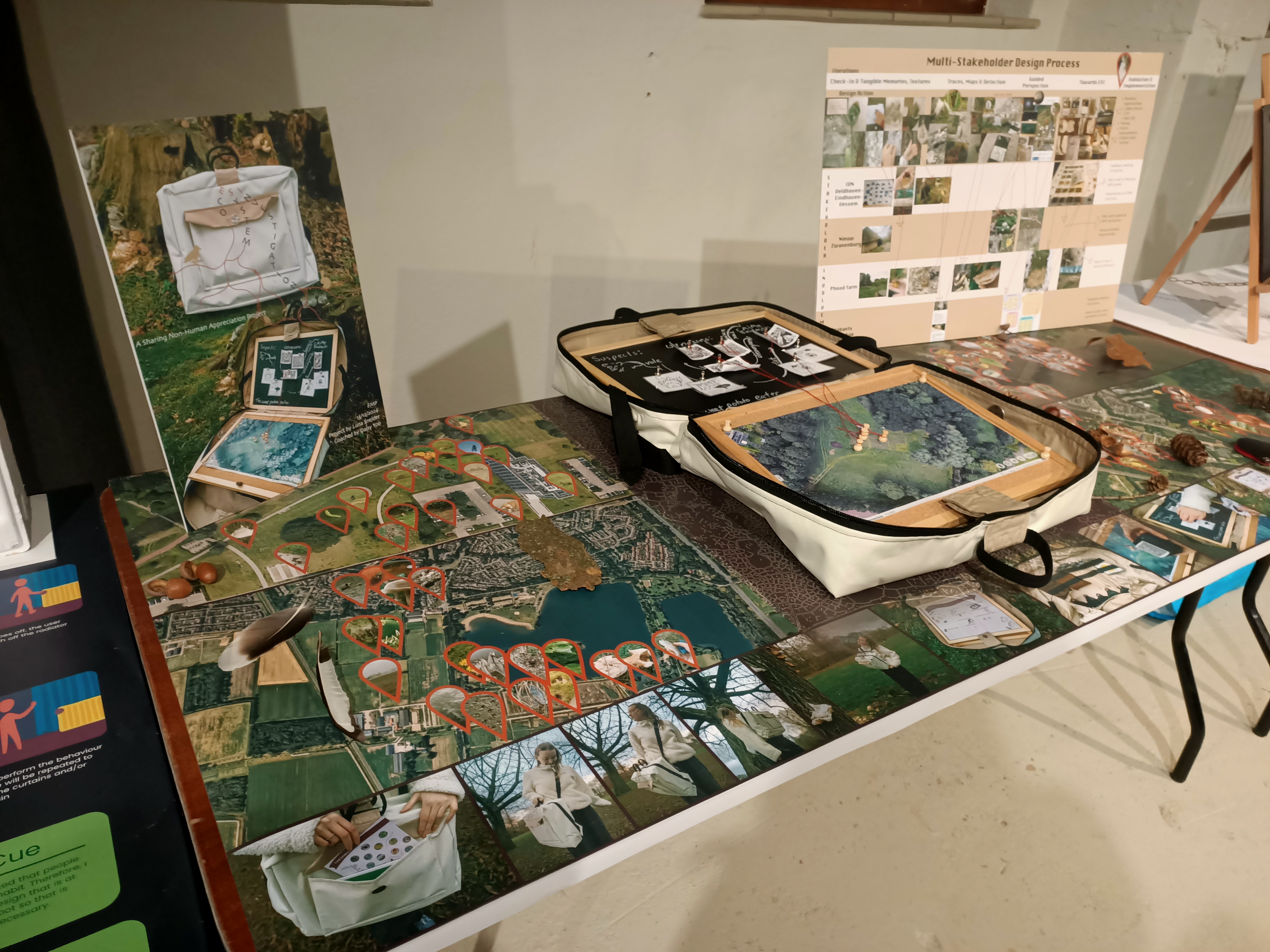
EcoSystem Investigation (ESI) emerged from collaboration with IVN Veldhoven-Eindhoven-Vessem, Nieuw Zwanenburg, Phood Farm and Brabants Landschap. It is a tool for sharing non-human appreciation beyond nature-related communities by enabling their experts to create interactive experiences for adults involving finding traces and analysing their relations to uncover ecosystem’s entanglements and humanity’s position within them. This can raise nature-connectedness and foster intrinsic motivation for sustainable behaviour. This project’s multi-perspective approach and societal mission embody my identity and vision as designer.
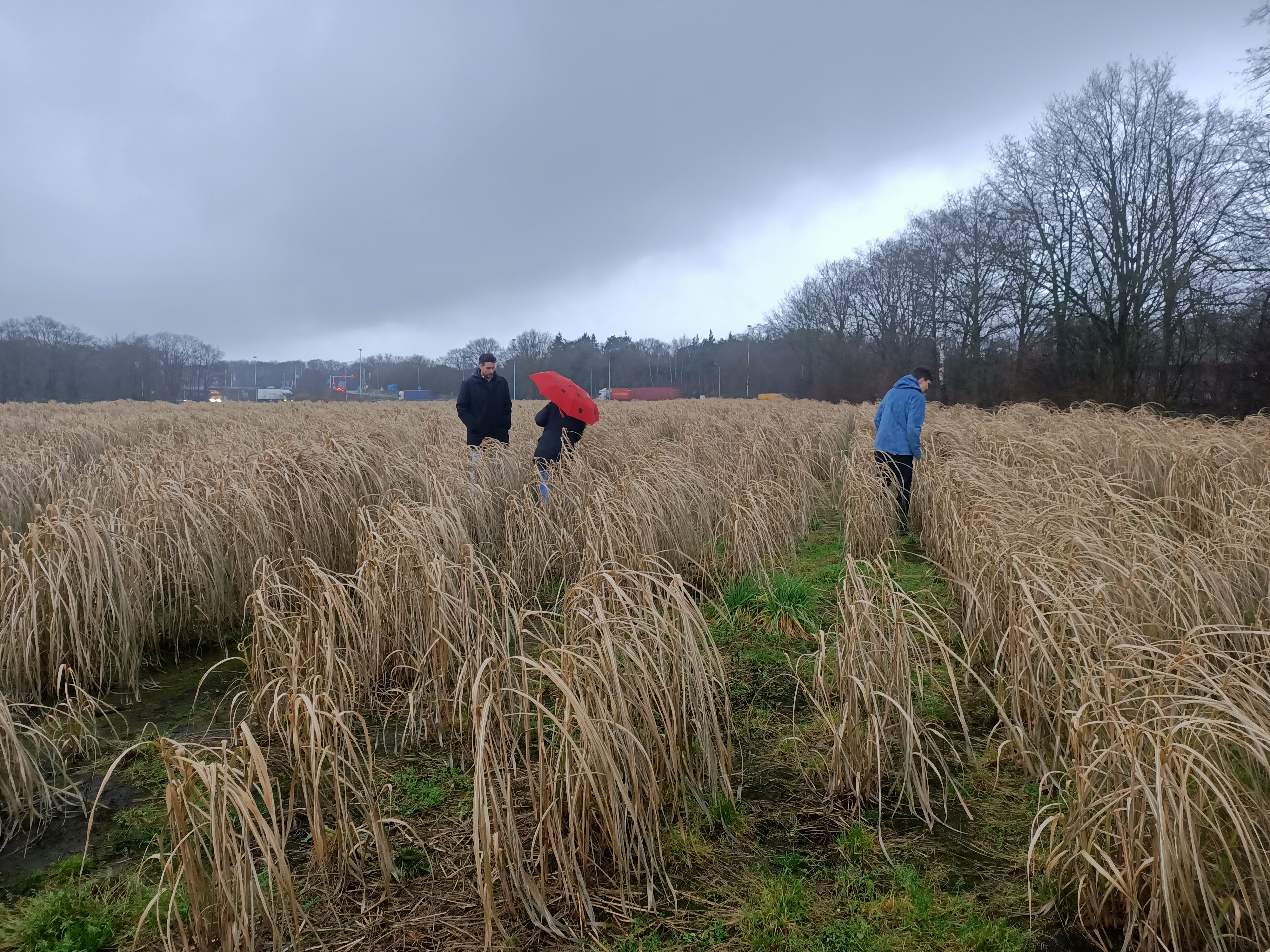
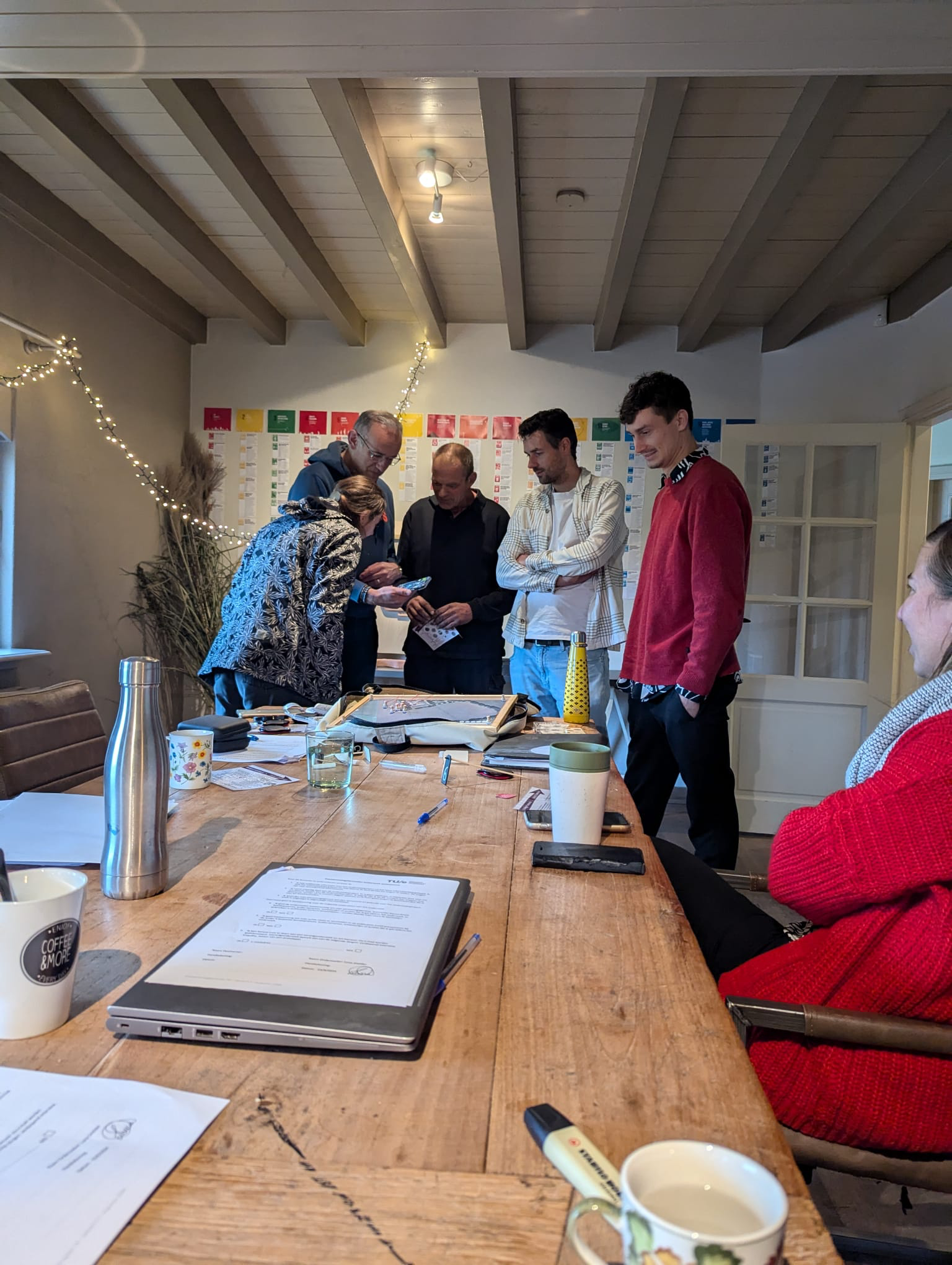
I developed social-entrepreneurship skills in the collaboration with multiple partners in a participatory design process. This concerned building and managing relations by communication about the organisation and design process. Created visual and tangible materials supported detailed input and discussions. The collaborations enabled discussion of ESI’s actual implementation and potential markets. Through the collaborations I learned about nature education, conservation, permaculture and multi-disciplinary organisations.
How it works:
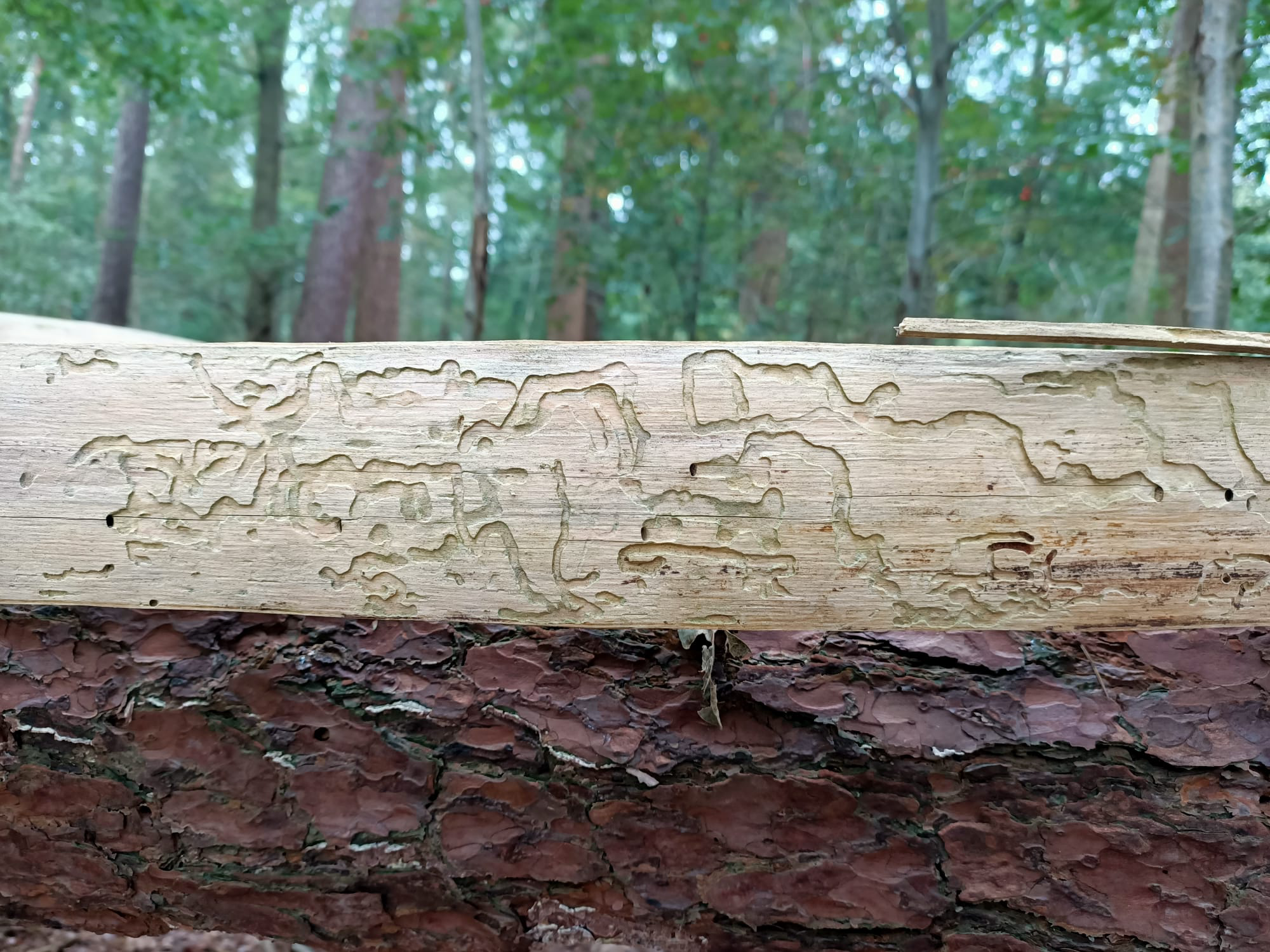
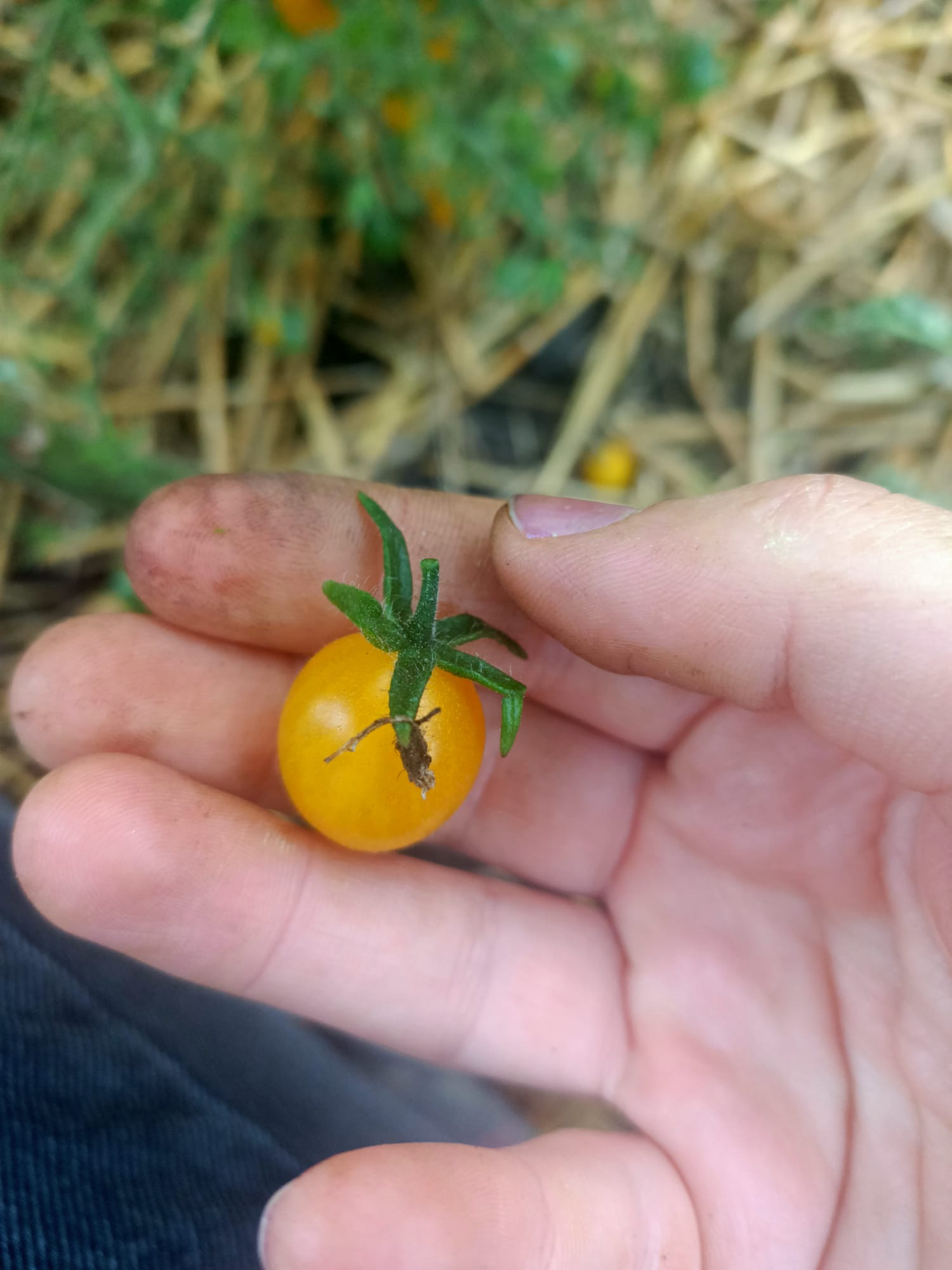
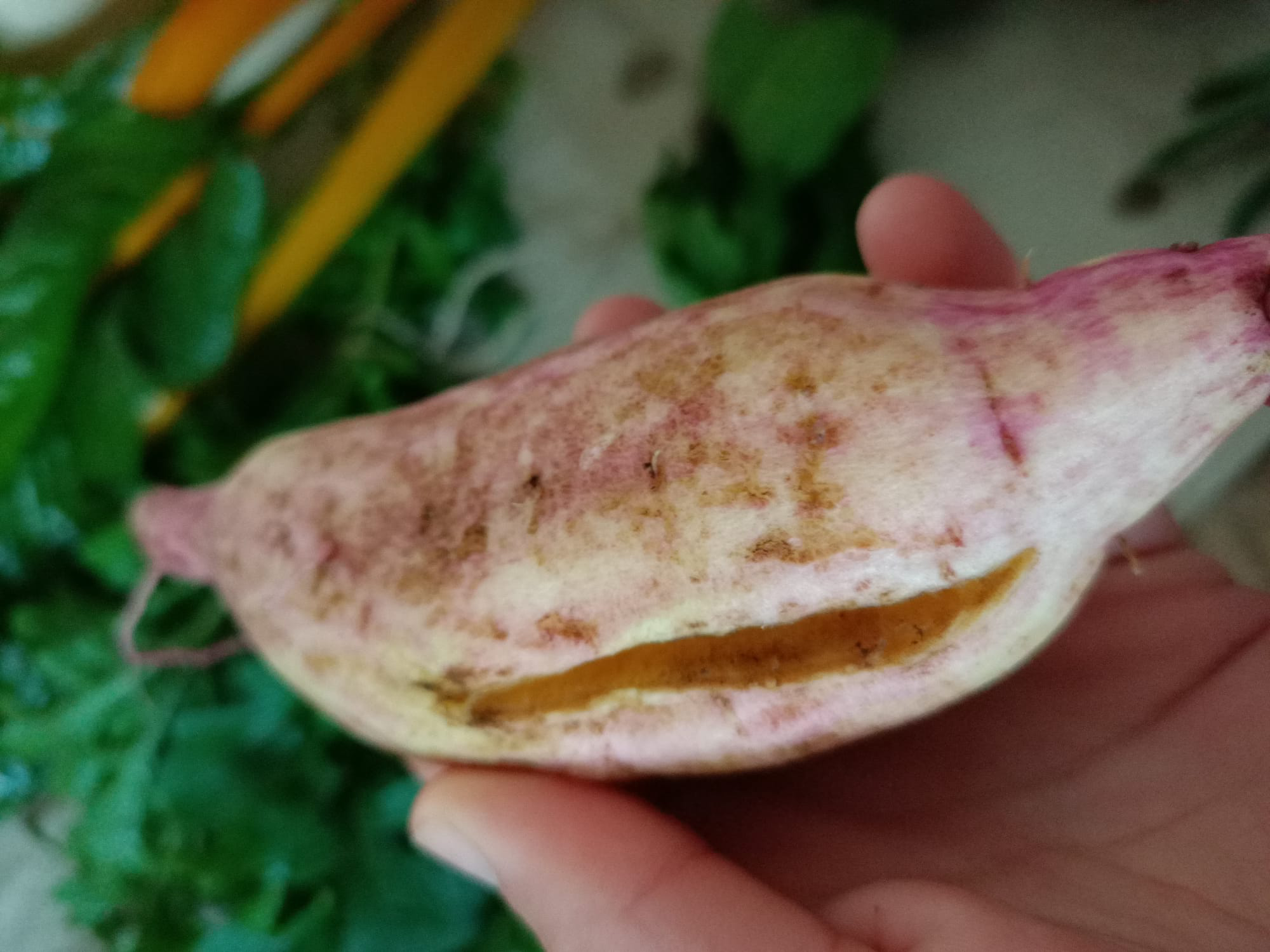
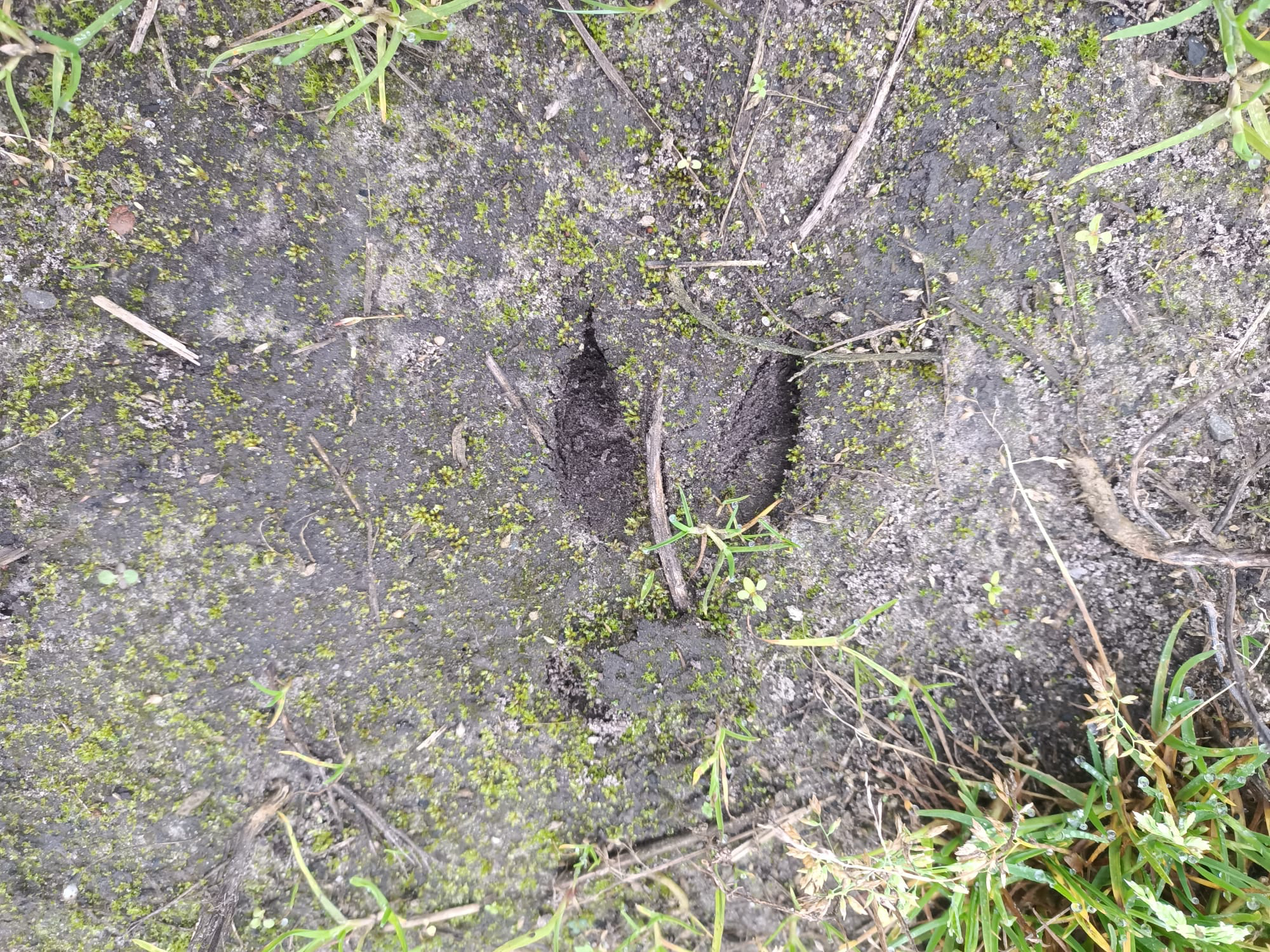
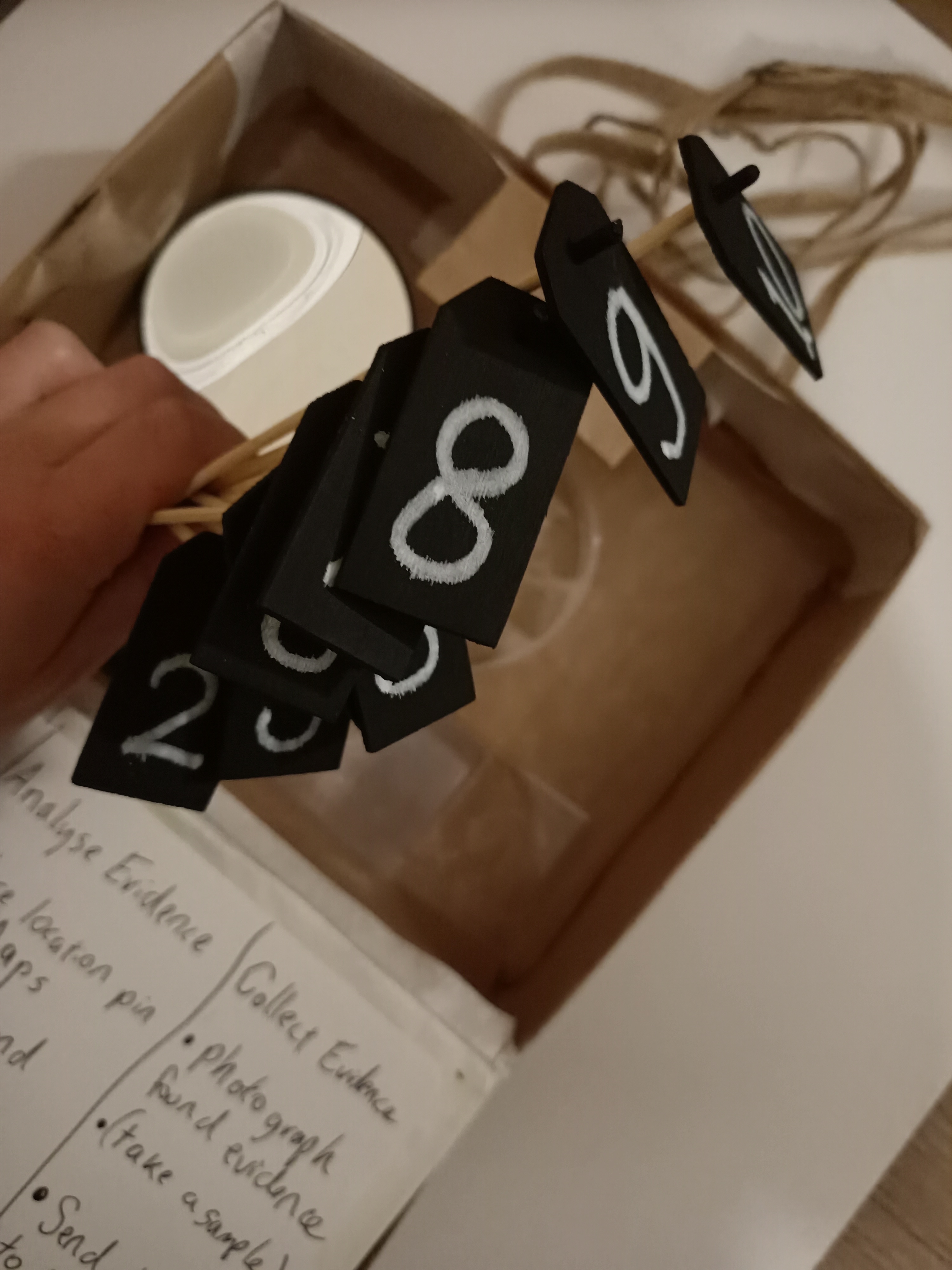
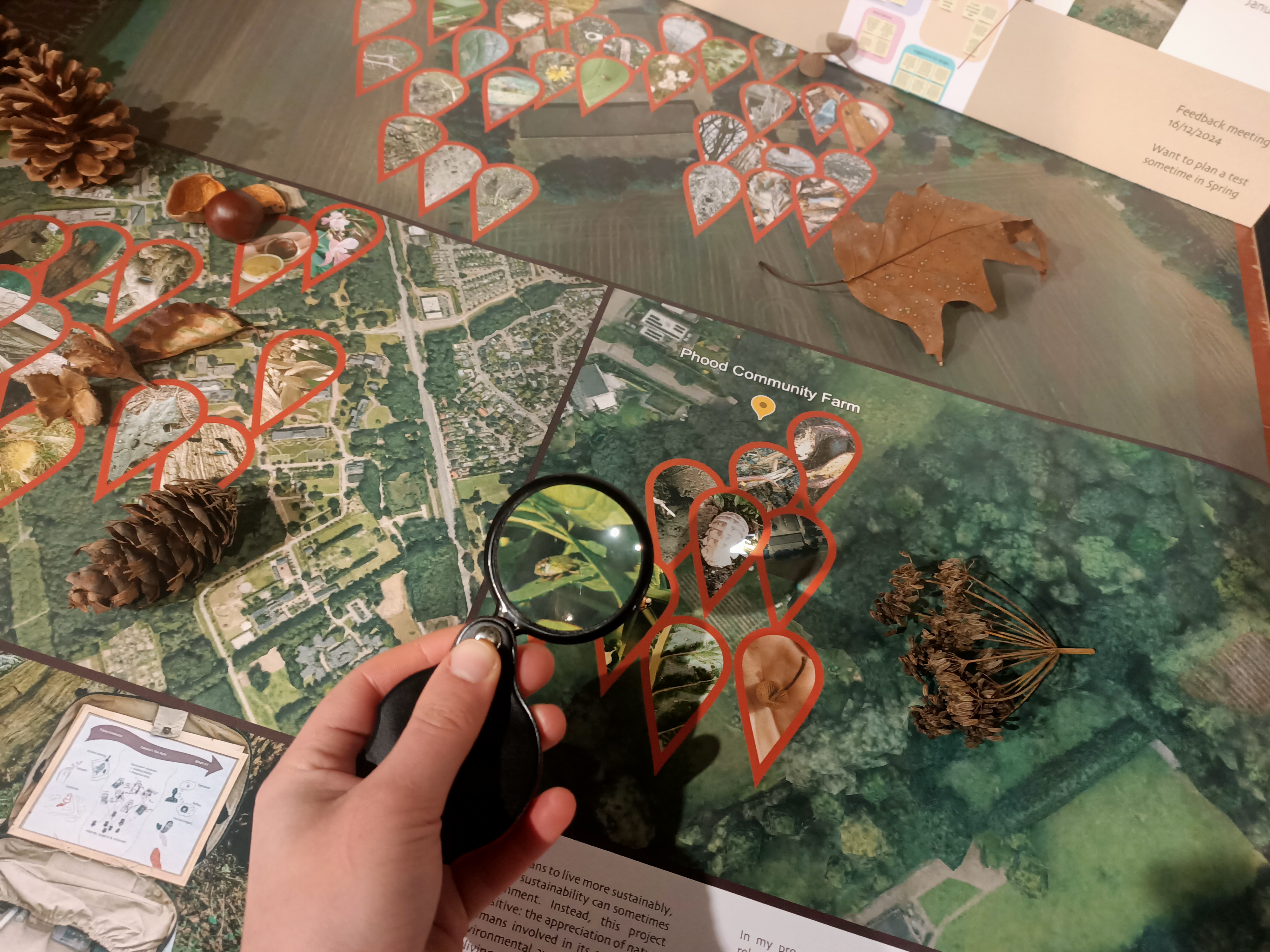
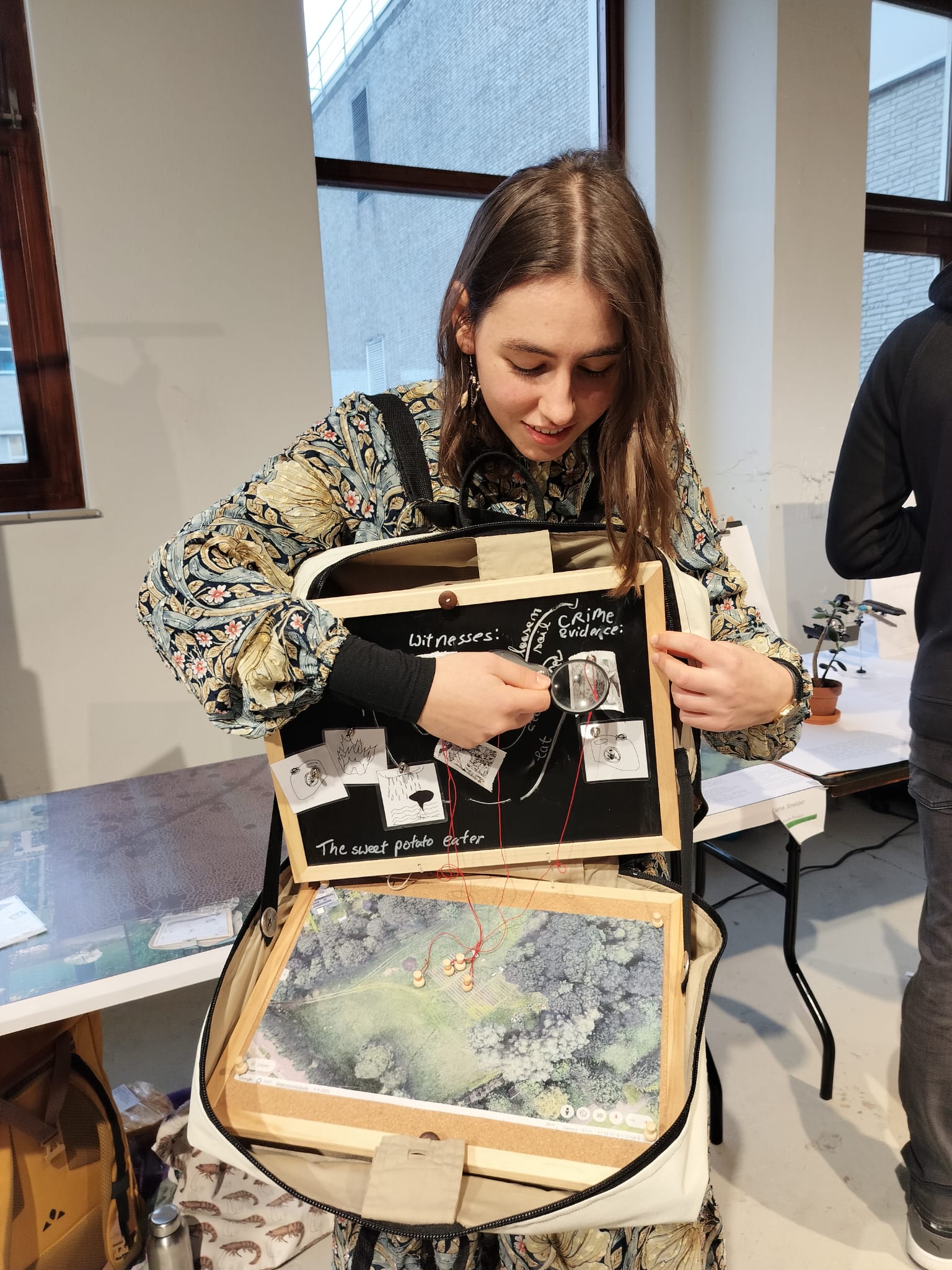
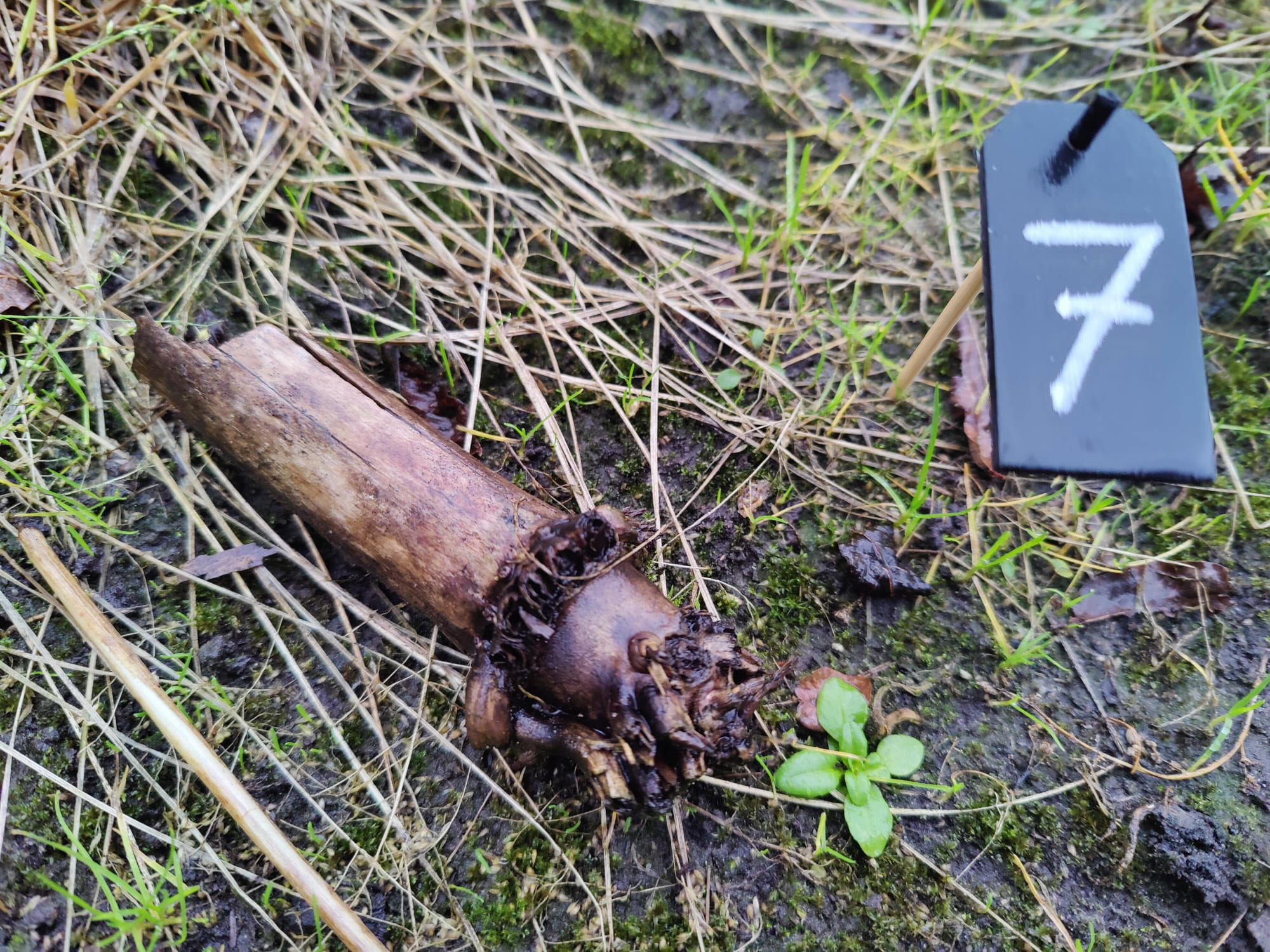
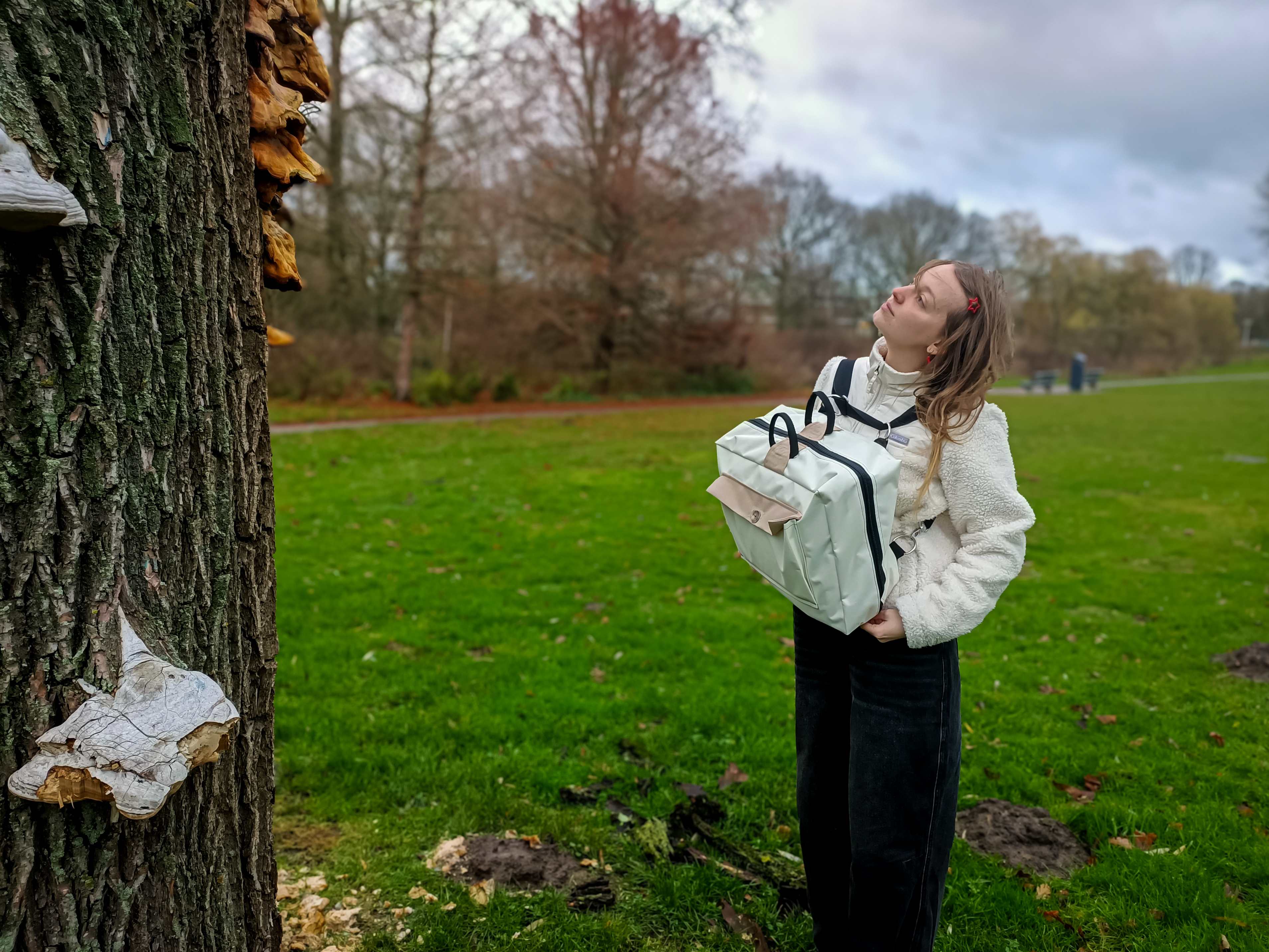
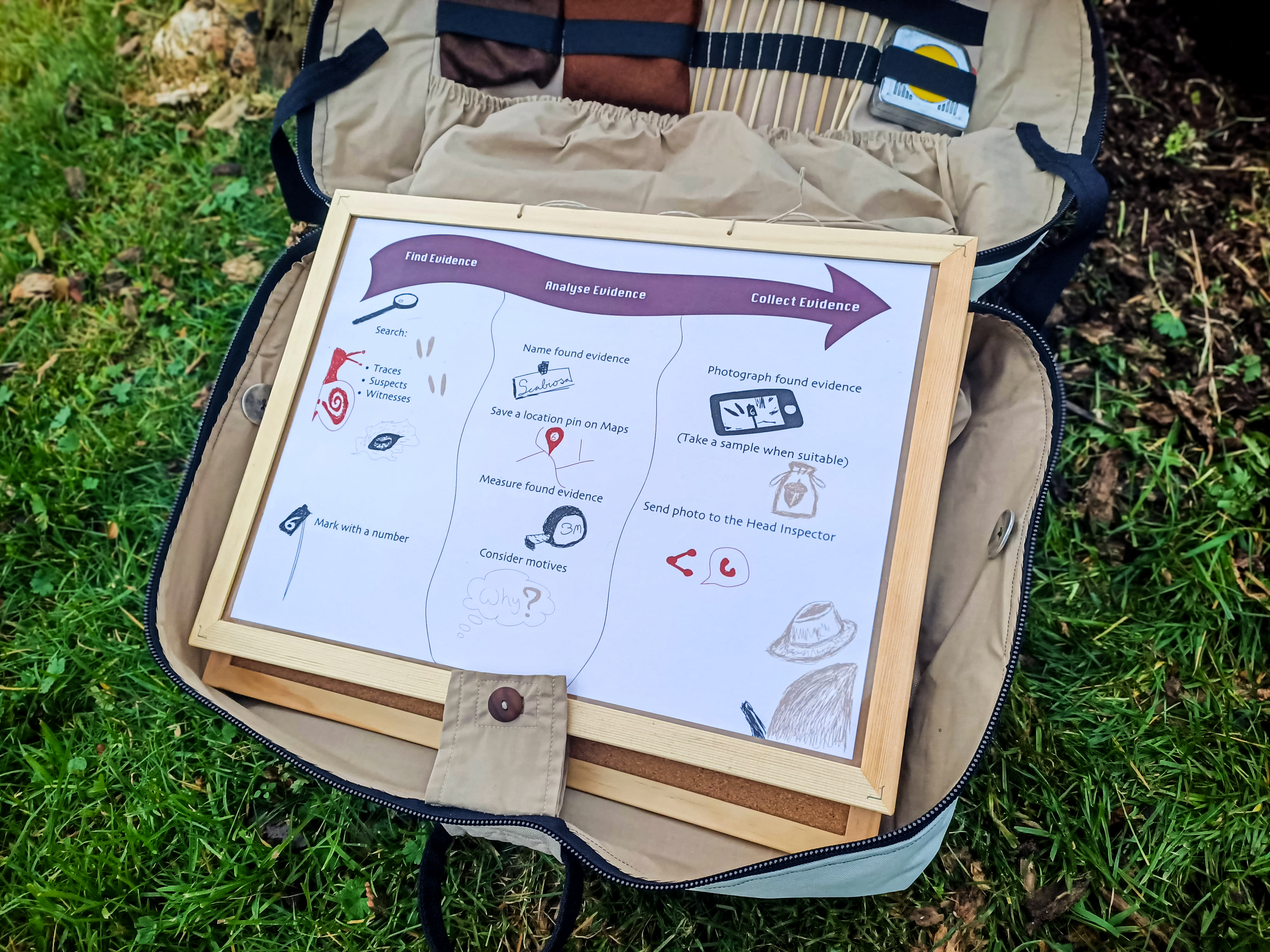
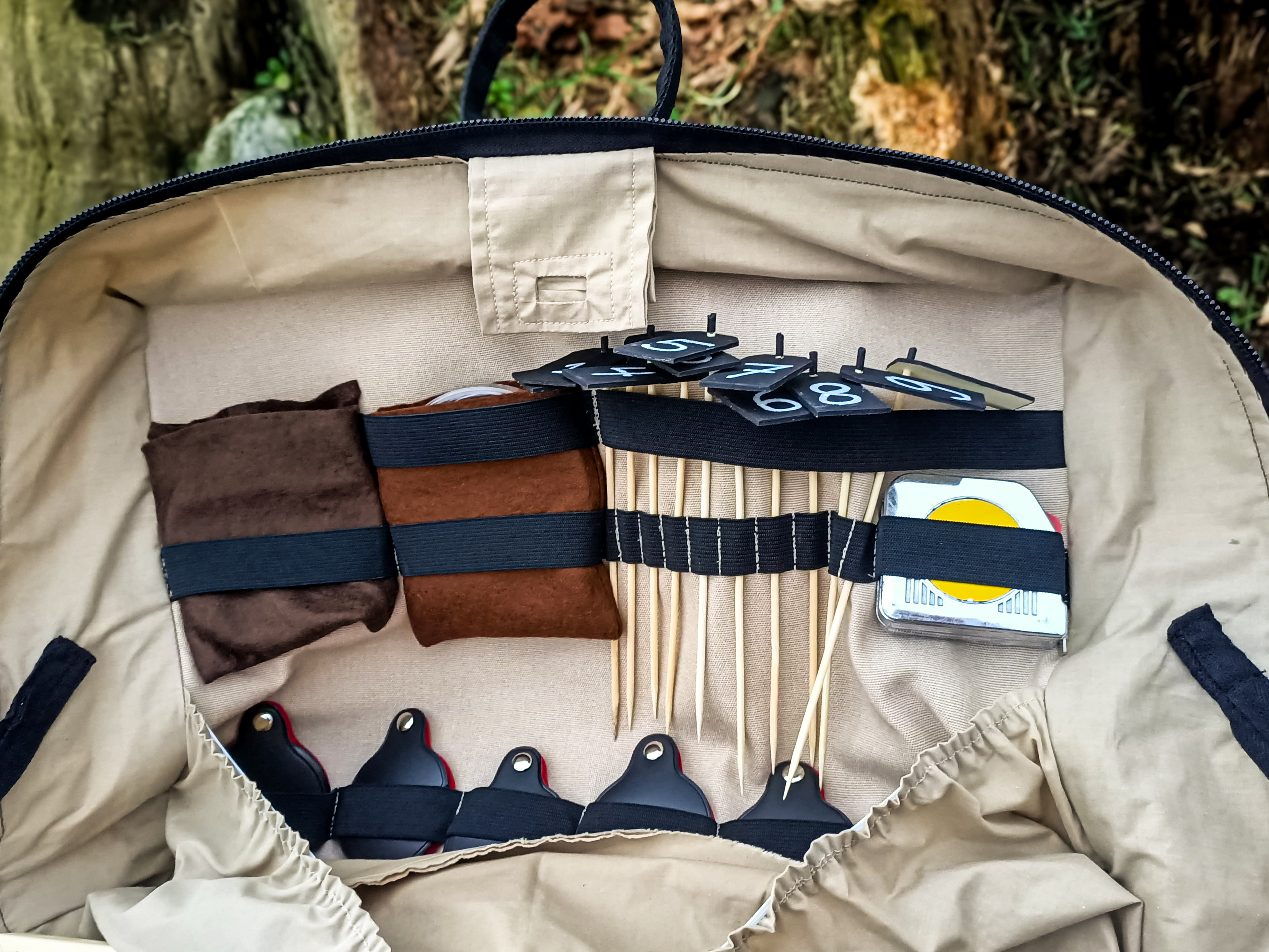
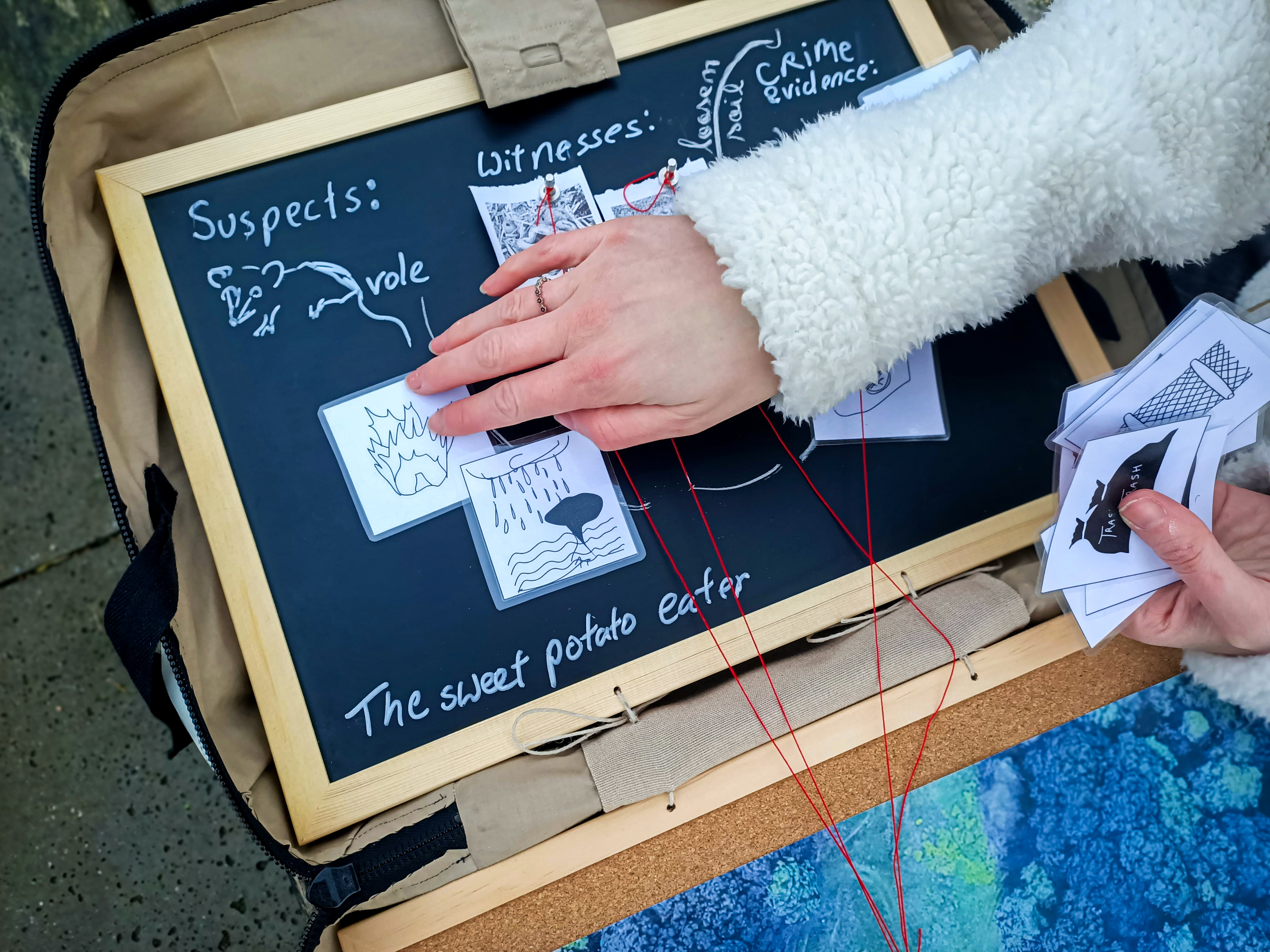
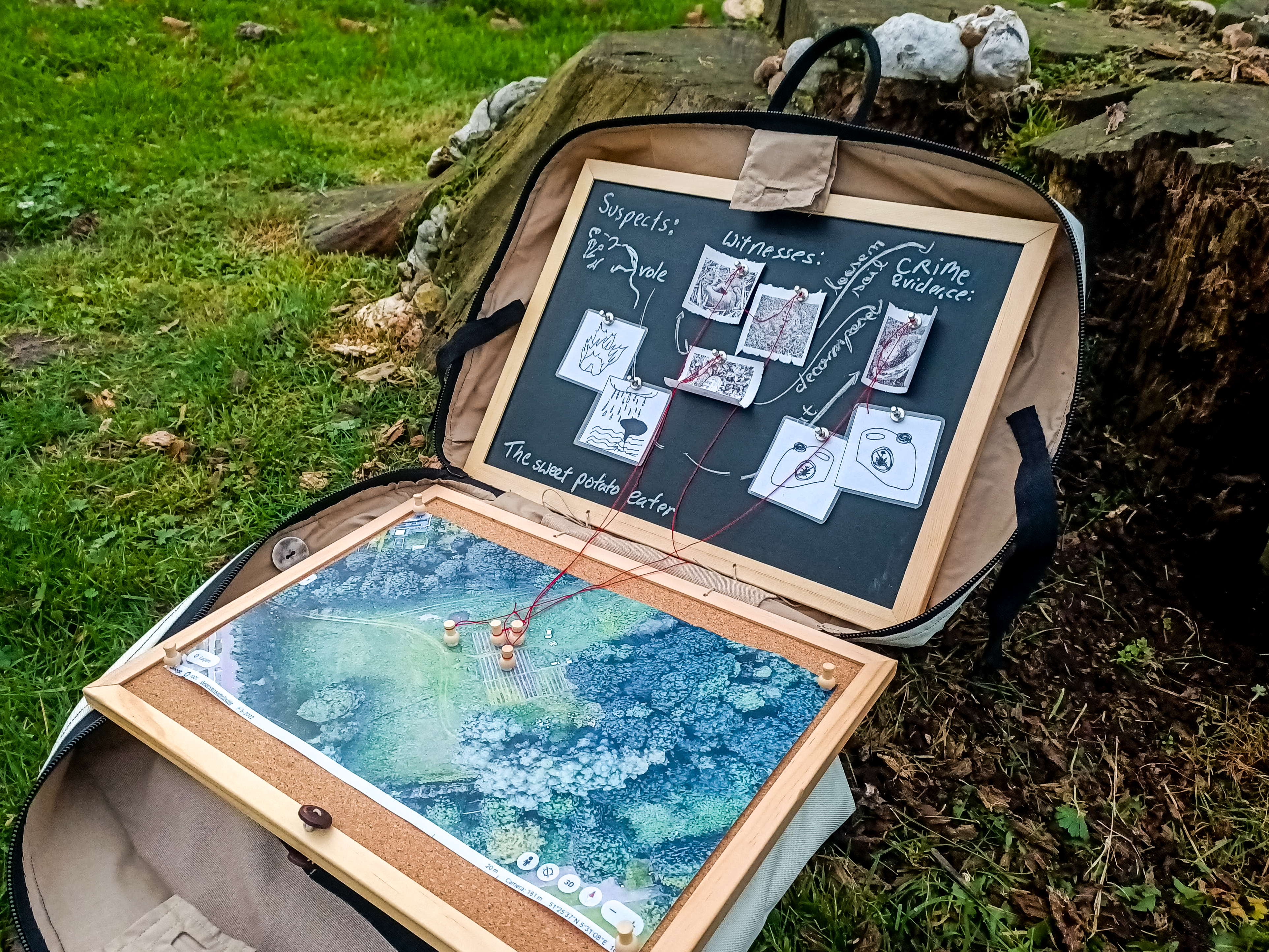
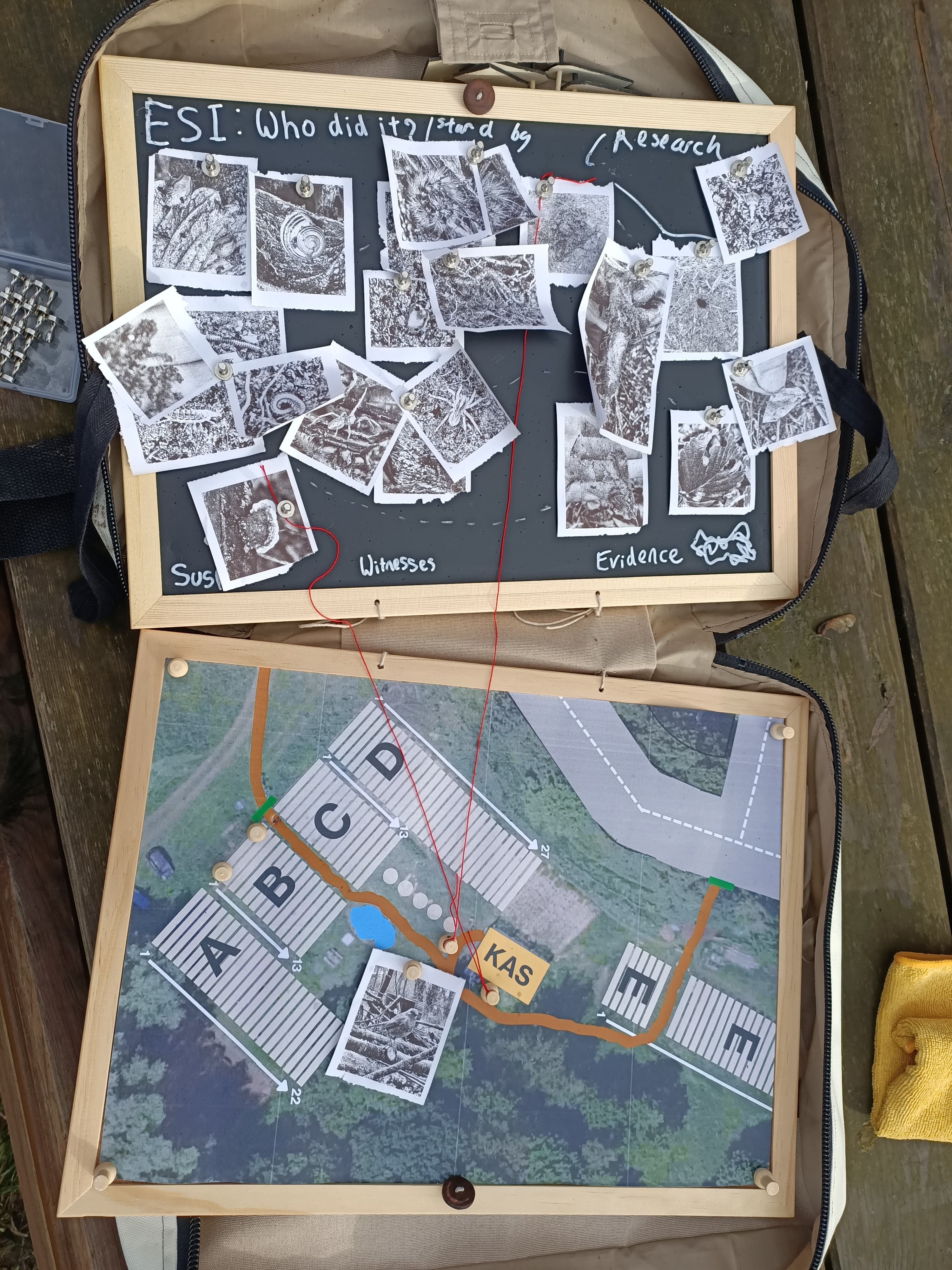
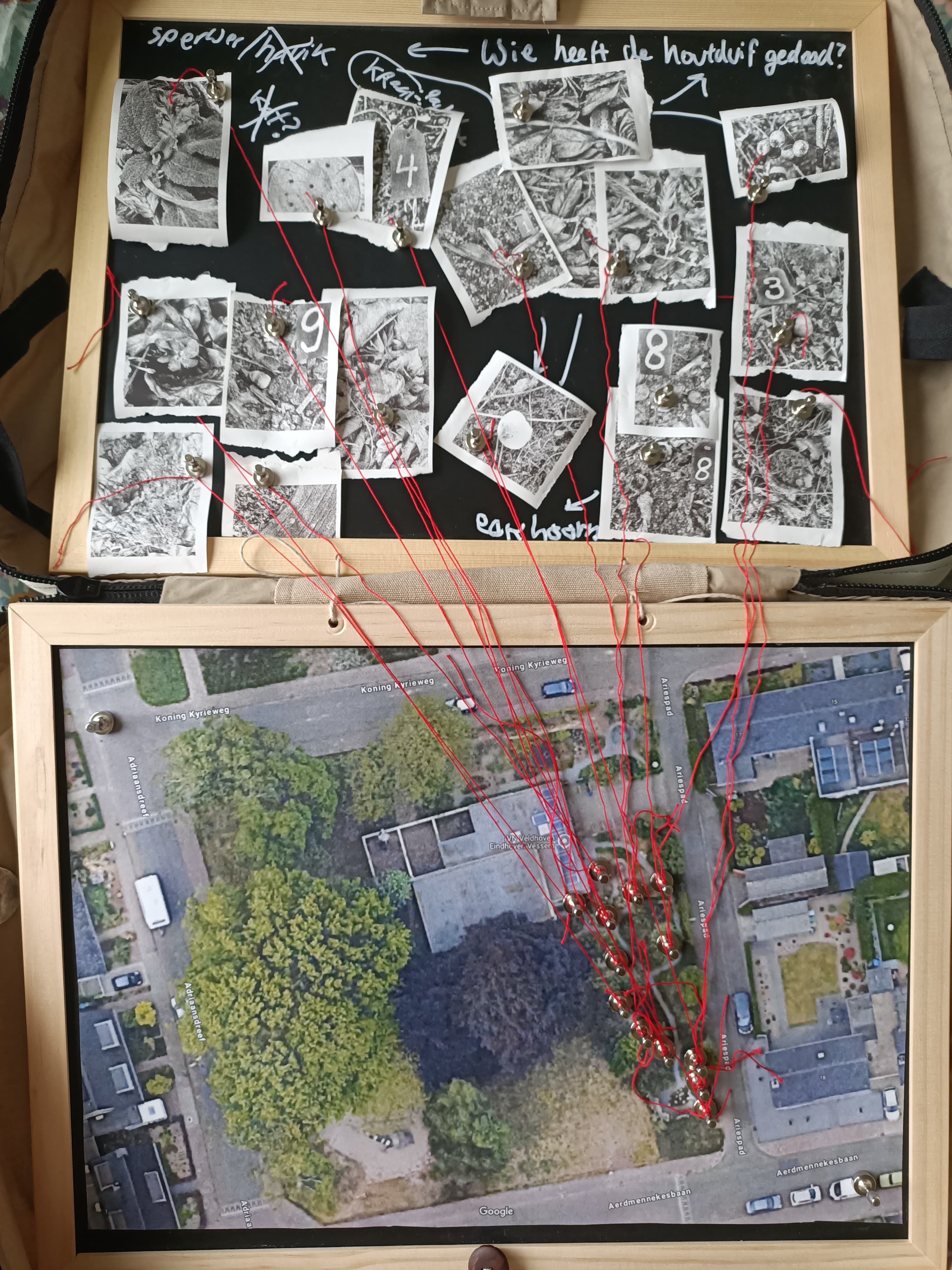
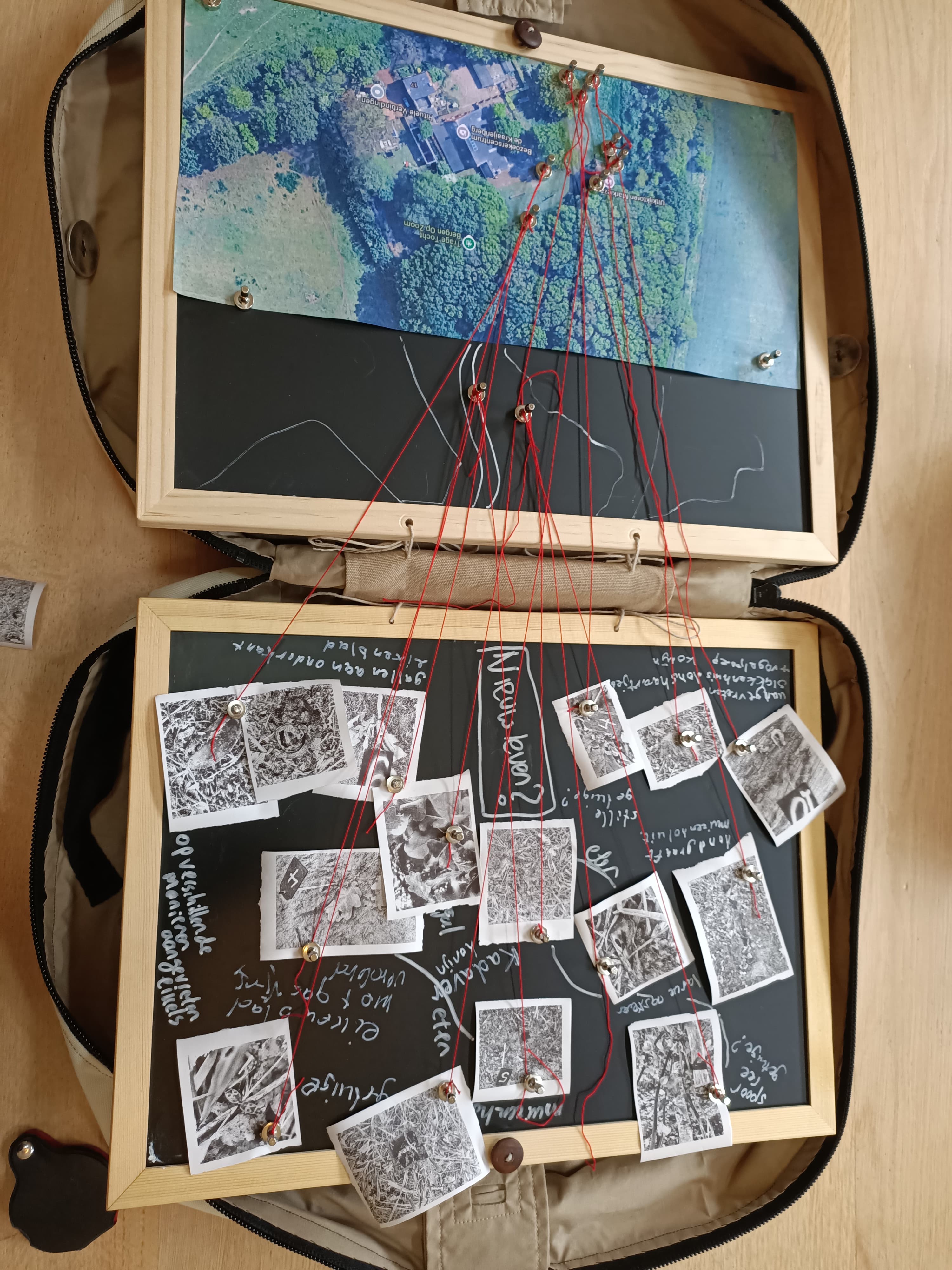
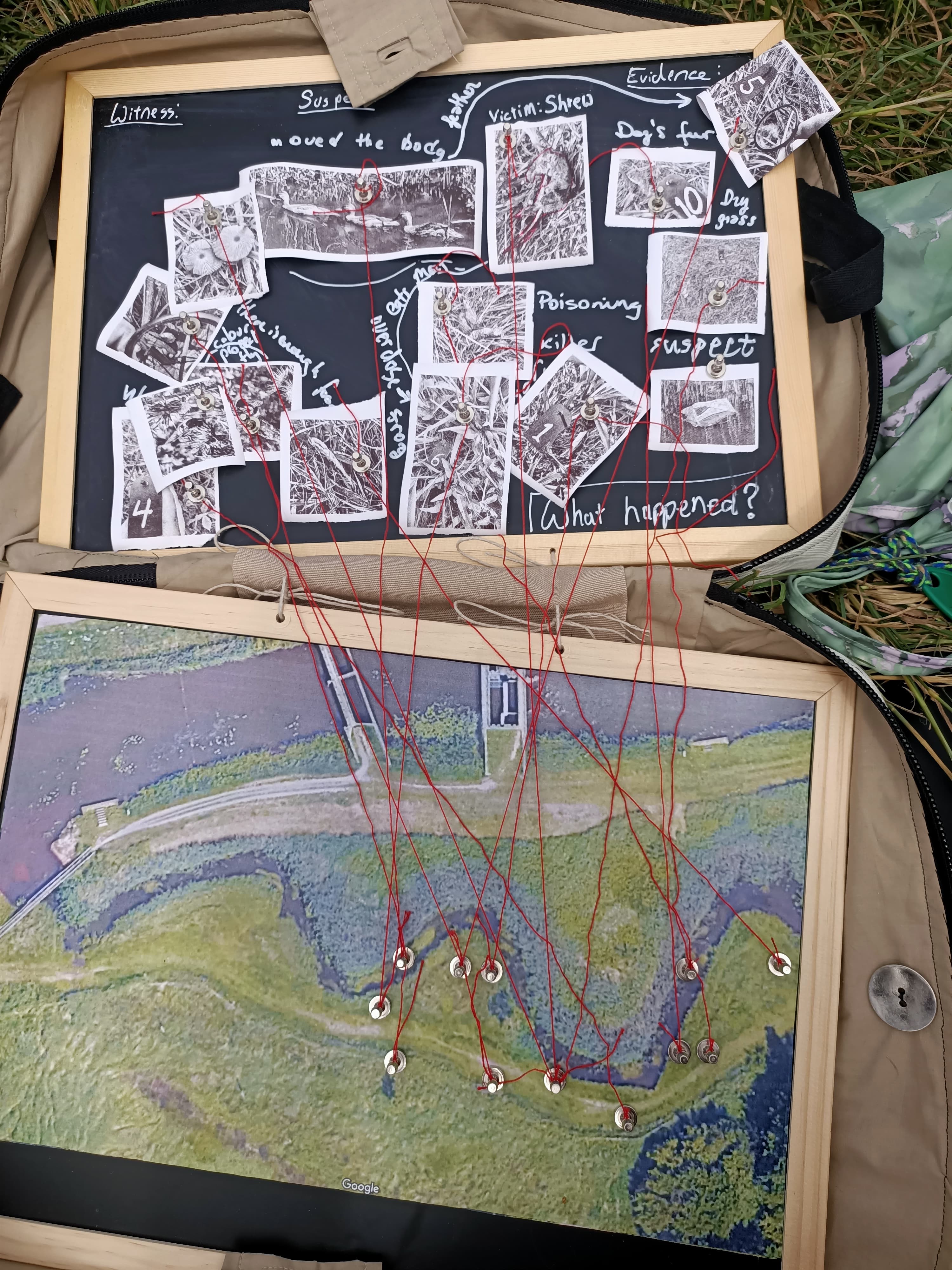
During an ESI activity, a group of up to 10 participants receives a short introduction with a mystery: a location on a map and a photo of evidence of a possible “crime” in the ecosystem. The group then independently investigates for traces of “suspects,” “witnesses,” or additional evidence. They take photos of their findings and send them to the Chief Inspector (the guide or workshop leader).
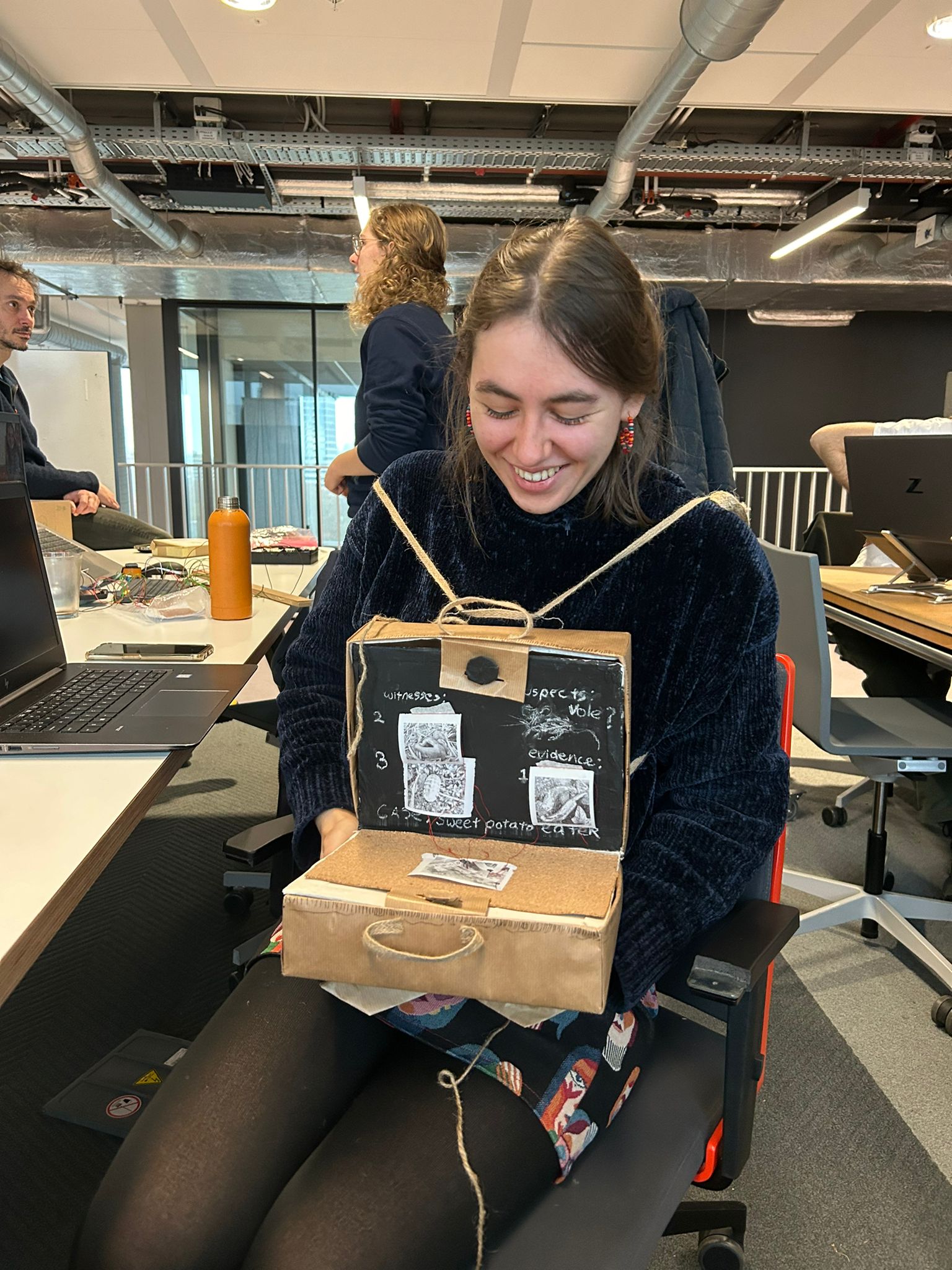
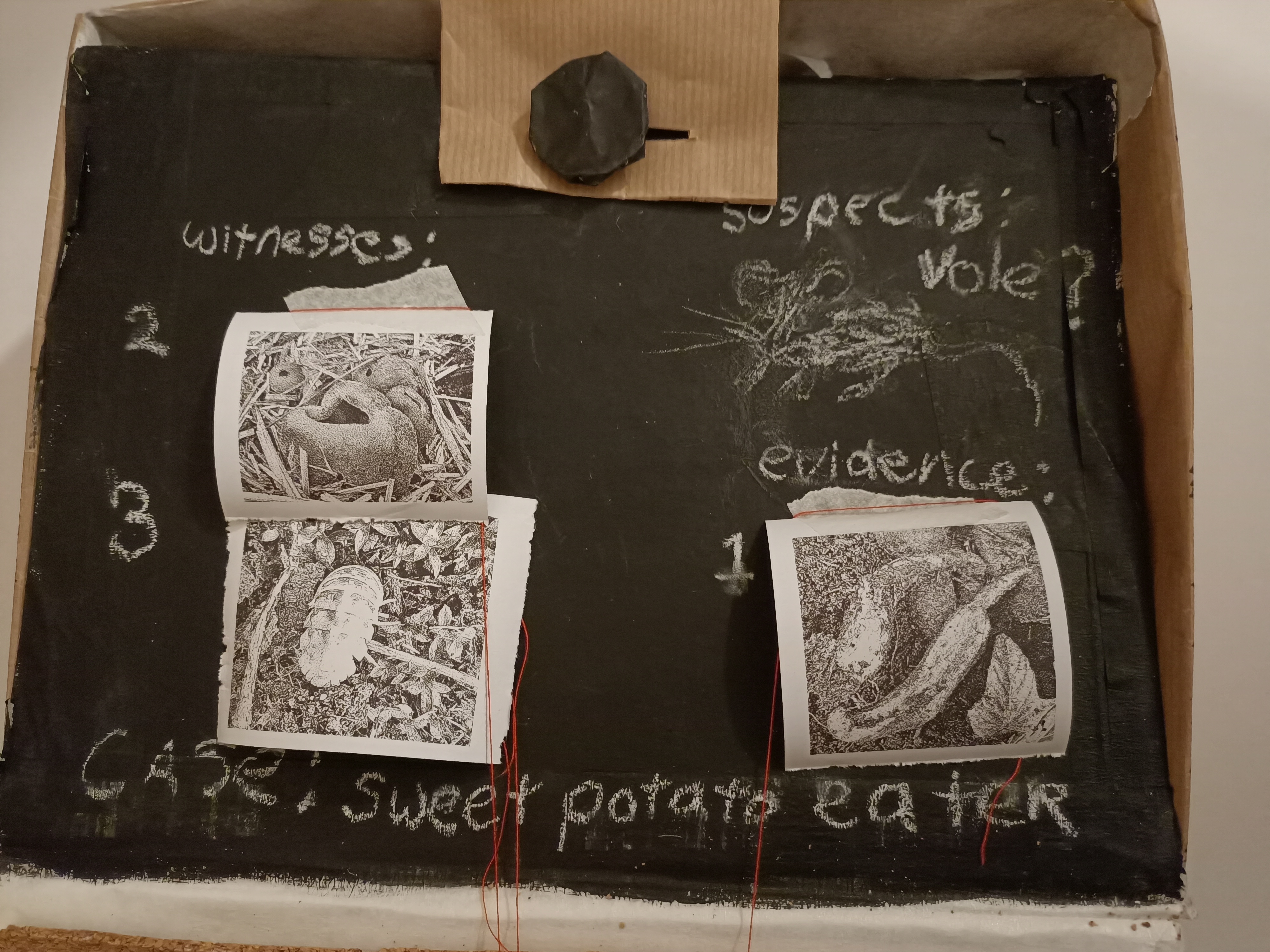
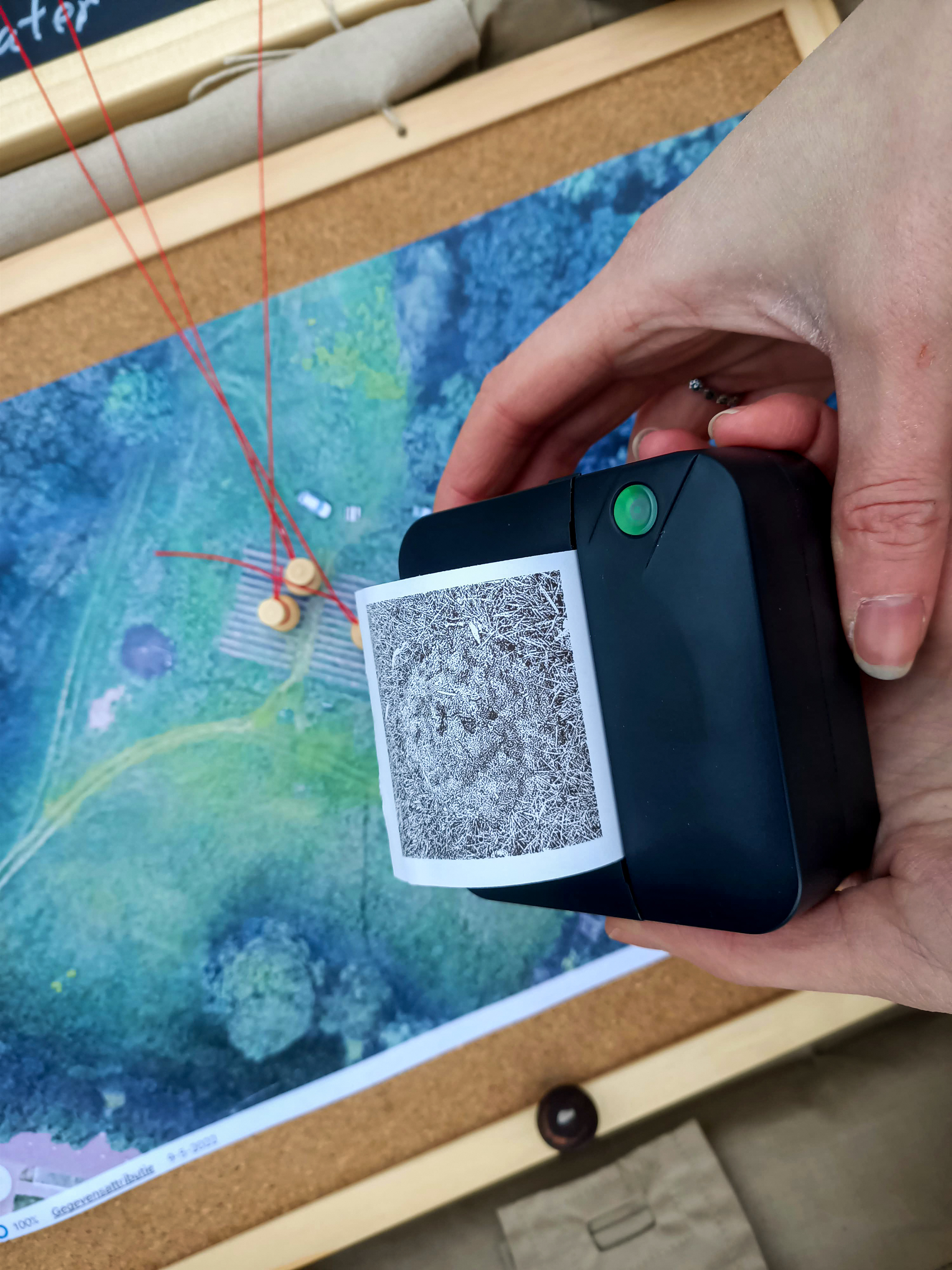
While the group takes a break, the Chief Inspector prints the photos with a thermal printer. Participants then place their photos one by one on a board, provide a description, and match the photo to the correct location on the map. They categorize the trace as, for example, suspect, witness, or evidence.
Once all the traces have been placed, the Chief Inspector leads a group discussion about possible connections: what could have happened? Who plays what role in this ecosystem? This leads to a deeper understanding of ecological relationships and roles, while also considering human impact. Participants are invited to reflect: what happens if, for example, humans intervene and combat a ‘suspect’ species?














 Luna Snelder